



What Are the Four Methods of Managing Pests? Costs, Licenses, and Smart Plans Explained
Managing pests isn’t just about keeping insects and rodents away; it’s about protecting your home, business, food supply, animals, and the environment. With an increasing demand for safe, effective, and compliant pest control solutions, understanding what are the four methods of managing pests is crucial for property owners and facility managers.
From prevention to biological control, the pest management industry offers multiple strategies to address different types of infestations. And if you’re considering doing this professionally or hiring a company, it’s equally important to know how pest management license requirements and pest management cost can shape your decisions.
In this guide, we’ll break down the four primary pest management techniques, uncover the pros and cons of each strategy, explore cost factors, and show you how to build a smart pest management plan that supports long-term safety and compliance.
Why Understanding Pest Management Matters
Pests are more than just nuisances; they carry disease, create property damage, disrupt food systems, and undermine sanitation standards. Whether you’re a homeowner dealing with backyard pests, a restaurant manager protecting food prep areas, or a property manager overseeing large facilities, you’ll want a pest control strategy that reduces risk without creating new problems.
The four main pest management methods address different needs, environments, and target species. Using the right combination can significantly reduce pest activity, lower risk, and protect both people and ecosystems.
The Four Primary Methods of Managing Pests
Let’s break down the four core pest management methods recognized in modern and integrated pest control systems.
1. Biological Pest Control
Biological pest control uses natural enemies, like predators, parasites, or pathogens, to control pests. This is especially popular in agriculture, gardens, and eco-sensitive settings where chemical use must be minimized.
Examples of biological agents:
- Ladybugs to control aphids
- Nematodes for soil-dwelling larvae
- Bacillus thuringiensis (Bt) bacteria to eliminate caterpillars
Pros:
- Eco-friendly and non-toxic
- Long-lasting when ecosystems stay balanced
- Ideal for farms, gardens, and water-based environments
Cons:
- Slower than chemical methods
- May require specialized oversight
- Results depend on environmental conditions
2. Mechanical and Physical Pest Control
These techniques use physical barriers, traps, habitat modification, or direct removal to stop pests. It’s one of the most widely used approaches for residential and commercial properties.
Common examples:
- Door sweeps and screens
- Rodent traps and glue boards
- Mulching and soil barriers
- Heat treatment or freezing
Pros:
- No chemical exposure
- Works well in sensitive indoor environments (e.g., kitchens, hospitals)
- Useful for early-stage infestations
Cons:
- Labor-intensive
- May require ongoing monitoring
- Doesn’t always prevent future pest issues
3. Chemical Pest Control
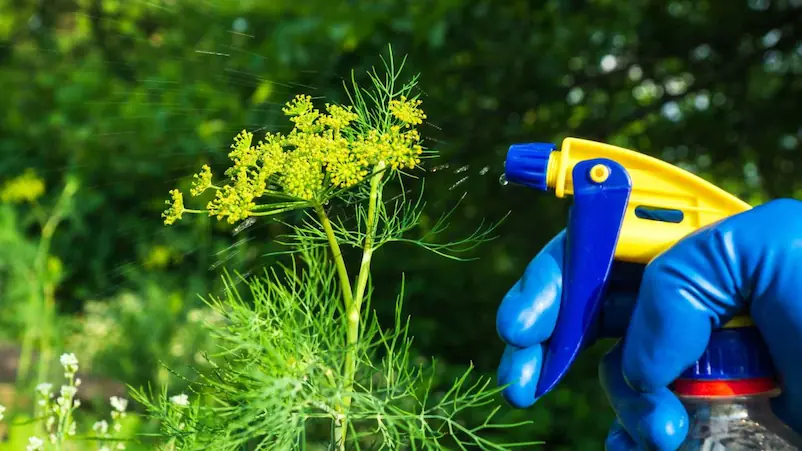
Chemical control uses pesticides or insecticides to quickly eliminate pest populations. This is the most recognizable method but also the most regulated due to safety and environmental concerns.
Types of chemicals used:
- Insecticides (sprays, gels, aerosols)
- Rodenticides
- Herbicides
- Termiticides
Pros:
- Fast-acting and highly targeted
- Works well for high-risk infestations
- Essential for food facilities or when health codes require immediate elimination
Cons:
- Can harm non-target species if misused
- Requires trained, licensed professionals
- May lead to chemical resistance over time
4. Cultural and Preventive Pest Control
This method focuses on long-term prevention and environmental changes that make spaces less attractive to pests. Instead of killing pests, it reduces the conditions that make pests thrive.
Examples include:
- Proper food storage and waste control
- Routine cleaning and sanitation
- Moisture control and drainage system maintenance
- Regular property inspections
Pros:
- Cost-effective long term
- Reduces reliance on pesticides
- Supports IPM (Integrated Pest Management) strategies
Cons:
- Requires consistency and cooperation
- Doesn’t eliminate existing pests immediately
- Needs proper training and scheduled implementation
How These Methods Work Together in IPM (Integrated Pest Management)
Most professional pest management companies today use a blended approach called Integrated Pest Management (IPM). Instead of spraying chemicals on a schedule, IPM focuses on prevention, monitoring, and targeted action.
By combining multiple methods, such as cultural prevention, biological agents, and precise low-impact chemicals, IPM:
- Reduces chemical use
- Minimizes health and environmental risks
- Adapts based on seasons and pest conditions
- Is required for compliance in many commercial settings
This is why modern businesses, especially in the food and healthcare industries, prefer pest companies skilled in IPM techniques.
Pest Management Cost: What Influences Pricing?
The cost of pest management ranges widely depending on factors like treatment type, property size, urgency, infestation severity, and environment (residential, commercial, agriculture, etc.).
Cost Factors to Consider:
| Cost Factor | Example | Impact |
| Type of pest | Rodents, termites, roaches, wildlife | Specialized pests = higher cost |
| Property type | Home vs warehouse vs farm | Larger or regulated spaces cost more |
| Treatment method | Organic, IPM, chemical, fumigation | Eco-safe or specialty = higher |
| Frequency | One-time vs ongoing plan | Plans offer better long-term pricing |
| Reporting or Compliance | Health district or HOA reports | Adds documentation fees |
Typical Price Ranges:
- One-time residential treatment: $175 – $450
- Ongoing commercial IPM service: $100 – $350/month
- Restaurant or food facility contracts: $150 – $500/month
- Farm or backyard animal pest control: Variable depending on acreage
Understanding these costs helps customers decide whether to hire a one-time spraying service or invest in a long-term pest management plan for year-round protection.
Why You May Need a Pest Management License
A pest management license is legally required in most states to apply restricted-use pesticides or operate a pest control business. Even if you’re managing pests on a farm or large property, licensing may be required for certain equipment or chemicals.
What Does a Pest Management License Cover?
- Safe chemical application
- Environmental standards
- Label and reporting requirements
- Public health and sanitation guidelines
- Facility-level risk and compliance training
Nevada, for example, regulates all commercial pest services through the Nevada Department of Agriculture.
Business clients, especially restaurants, HOAs, and healthcare settings, often require proof of licensing before hiring an exterminator. This ensures compliance during inspections and protects operators from fines or legal issues.
How to Build an Effective Pest Management Plan
A pest management plan is a documented roadmap that outlines how pests will be monitored, controlled, and prevented at a specific location. It’s a required tool in regulated environments, especially in food, healthcare, warehouse, and HOA-managed spaces.
A Good Pest Management Plan Includes:
- Property inspection and pest identification
- Environmental risk assessment
- Action thresholds and treatment triggers
- Chosen pest management techniques
- Reporting, tracking, and documentation
- Ongoing evaluation and adjustment schedule
Whether you manage a restaurant, warehouse, apartment building, or animal facility, your plan should be tailored to the conditions and compliance standards of your industry.
Final Thoughts
Understanding what are the four methods of managing pests is the key to making informed decisions for your property, whether you’re protecting livestock, reducing kitchen risk, or securing commercial real estate.
By choosing a pest control company that can:
- Build custom IPM-based plans
- Explain pest management cost factors clearly
- Hold the proper pest management license
- Offer eco-safe and industry-smart methods
you get long-term protection without harming the environment or risking fines.
If you’re in or near Las Vegas, NV, and want a smart, compliant, and non-toxic approach tailored to your home, business, or agricultural space, now’s the time to schedule a Free Full Comprehensive Inspection with a trusted team at A Grade Nevada Integrated Pest Management.