





Scorpions in Las Vegas, NV: Where They Hide and Why
Finding a scorpion near your garage or baseboard can leave you wondering how common it is for homes to have scorpions in Las Vegas, NV. One sighting does not always mean there is a major problem, but it does give you a reason to look closely at shelter, prey insects, and entry points.
Scorpions are part of the desert environment, yet certain conditions can bring them closer to homes and businesses. Understanding where they hide and what supports them can help you respond calmly and take steps that fit the property.
Are There Scorpions in Nevada?
Yes, several types of scorpions live in Nevada, especially in the warmer desert areas of the southern part of the state. The National Park Service describes scorpions as nocturnal desert hunters, which is why you may not notice one until it moves across an open area after dark.
Scorpions can live around natural desert land as well as developed neighborhoods. Irrigated landscaping, block walls, landscape rock, pools, and outdoor lighting may provide shelter or attract the insects they eat.
You can compare common features and signs in our guide to scorpions found around local properties. Keep a safe distance while observing a scorpion, and never handle one for a closer look.
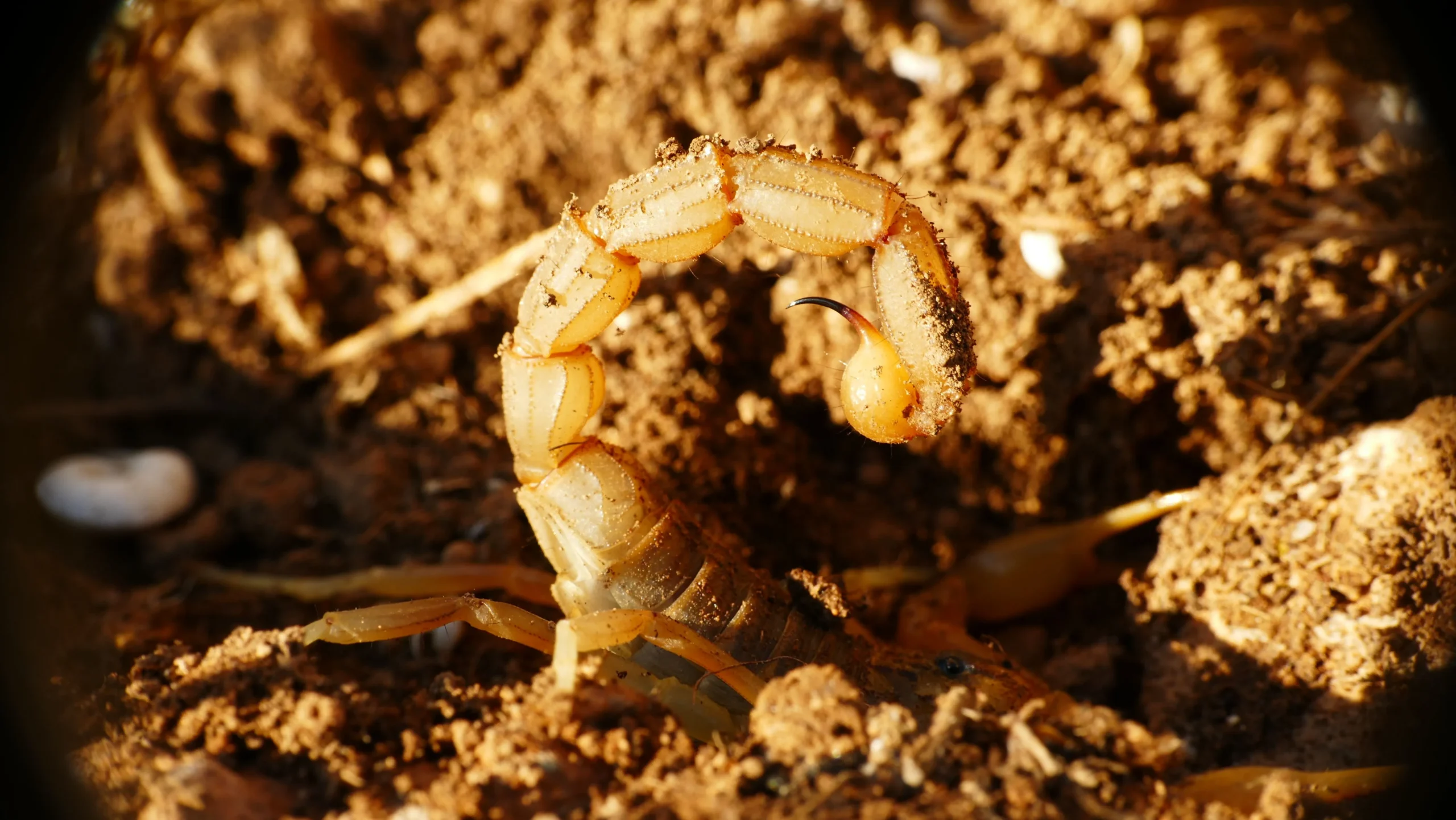
Where Do Scorpions Hide Around Local Properties?
Scorpions spend much of the day tucked into dark, protected spaces, then come out at night to hunt. Zion National Park notes that the giant desert hairy scorpion is a nocturnal hunter, so daytime hiding spots often matter just as much as the places where you see one after dark.
| Area | Possible Hiding Places |
| Landscaping | Beneath rocks, bark, planters, and yard debris |
| Block walls | Inside cracks, joints, and sheltered gaps |
| Garages | Behind stored items or near door edges |
| Pool areas | Beneath equipment covers and along shaded edges |
| Interior rooms | Closets, bathrooms, baseboards, and wall gaps |
| Entry areas | Door thresholds, utility openings, and damaged seals |
A scorpion found indoors may have slipped through a gap while following prey or searching for shelter. Where you find it can offer useful clues, but the surrounding entry points, insect activity, and hiding areas still need to be checked.
What Attracts Scorpions Toward a House?
You may see more scorpions around your property when they can find food, shelter, and an easy way inside. Because scorpions feed on insects and other small arthropods, repeated sightings can point to a wider pest issue instead of one scorpion simply passing through.
Conditions that may support scorpions include:
- Crickets, cockroaches, and other available prey
- Loose landscape rock or stacked materials
- Gaps beneath doors and around utility lines
- Dense landscaping beside the structure
- Outdoor lights that draw insects
- Sheltered areas near pools or irrigation
The National Park Service notes that scorpions feed on cockroaches and other insects. Reducing prey insects, removing hiding places, and closing likely entry points can make your property less supportive of scorpions.
Does One Scorpion Mean There Are More?
One scorpion does not automatically mean several are living inside the structure. Scorpions are hunters, and an individual may enter by accident or while following prey. Repeated sightings, young scorpions, or scorpions appearing in the same room may give you more reason to inspect nearby shelter and access points.
Pay attention to:
- Where the scorpion was found
- What time the sighting occurred
- Whether insects are active in the same area
- Whether doors, walls, or pipes have visible gaps
- Whether other sightings have happened recently
These details can help an inspector decide where to look first instead of treating the entire property as though every area has the same level of risk.
Which Scorpion Prevention Steps Work Around Your Home?
Scorpion prevention works best when you reduce hiding places, control prey insects, and limit access into the structure. No single change can address every property, but a combination of cleanup, exclusion, monitoring, and targeted pest management can make the environment less supportive.
Start with a few practical changes around your property:
- Move stored materials away from exterior walls.
- Check door sweeps for worn or open areas.
- Seal suitable gaps around doors and utility lines.
- Reduce clutter in garages and storage areas.
- Trim branches and dense plants away from the structure.
- Watch for insect activity near exterior lights.
These steps can reduce hiding places, entry points, and the prey insects that may draw scorpions closer to your home. Eco-balance pest control considers how those conditions work together so the response fits the property instead of treating one sighting in isolation.
When Is Scorpion Control Worth Considering?
Scorpion control may be worth considering when you keep finding scorpions indoors, sightings move into bedrooms or living areas, or several hiding places and entry gaps are difficult to address on your own. An inspection should come first so the plan can focus on where scorpions may be traveling, hiding, and finding prey.
You may want to schedule an inspection when:
- Scorpions appear repeatedly indoors
- Sightings occur in bedrooms or living areas
- You find young scorpions
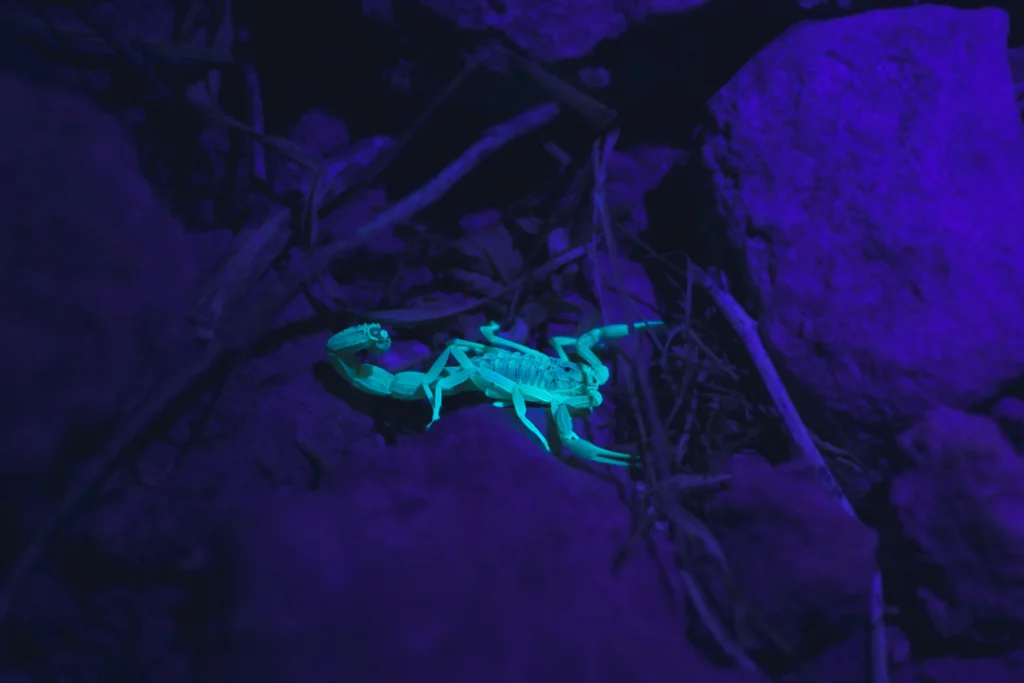
- A nighttime blacklight check reveals several scorpions outdoors
- You are also noticing crickets, cockroaches, or other prey insects
The National Park Service notes that scorpions glow under ultraviolet light, which can make a nighttime check useful for spotting where they are active. Finding them is only one part of the picture, though. Scorpion control should also address the shelter, prey insects, and entry points that may be bringing them closer to your home.
Take an Inspection-First Approach to Scorpions in Las Vegas, NV
A scorpion sighting can be unsettling, but a careful property review provides more value than reacting to one hiding place. Shelter, prey insects, landscaping, and entry gaps all help explain why scorpions appear and what steps may reduce future encounters.
At A Grade Nevada, we start by looking at the full picture, including where scorpions are hiding, what they may be feeding on, and how they could be getting inside. When sightings keep happening, contact us to talk through what you are seeing and whether scorpion control is the right next step.
Frequently Asked Questions
Scorpions may enter while searching for prey, shelter, or a cooler space. Gaps beneath doors, openings around pipes, cracks near the foundation, and worn seals can give them access, especially when crickets, cockroaches, or other insects are active nearby.
Some scorpions, including bark scorpions, can climb textured surfaces such as block walls, stucco, and tree bark. That means an inspection should look above ground level too, including wall joints, rooflines, utility openings, and other gaps that may give them a way inside.
Keep children and pets away from the area, avoid handling the scorpion, and note where you found it.
Then check nearby areas for:
- Door or baseboard gaps
- Stored boxes or clothing
- Plumbing openings
- Insect activity
- Additional sightings
Those details can make a later inspection more focused. If you keep finding scorpions or are unsure where they are getting in, call us so we can talk through what you are seeing.
Poison Control advises washing the sting area with soap and water and avoiding a tourniquet. You can then use the Poison Control scorpion sting guidance or call 1-800-222-1222 for free, confidential advice based on the person’s age, symptoms, and the details of the sting.
We inspect the property before recommending scorpion control. We look at hiding places, prey insects, landscaping, entry gaps, and the areas where sightings occurred, then explain which prevention, exclusion, monitoring, or targeted treatment steps may fit your property and current level of activity.