


Rodent Management in Las Vegas, NV

Rodent activity can become a problem quickly in Southern Nevada homes and commercial properties. Mice and rats are highly adaptable and can use surprisingly small openings to access structures in search of food, water, shelter, and nesting areas, which is why an inspection-first approach matters for rodent management in Las Vegas, NV.
At A Grade Nevada, our rodent management begins with understanding why rodents are present, where they are traveling, and which conditions may be supporting their activity.
Our Integrated Pest Management (IPM) strategy combines inspection, monitoring, targeted control methods, sanitation recommendations, and ongoing evaluation. Our rodent pest management helps address current activity while reducing the conditions that can contribute to future problems.
Rodent Problems in Las Vegas, NV
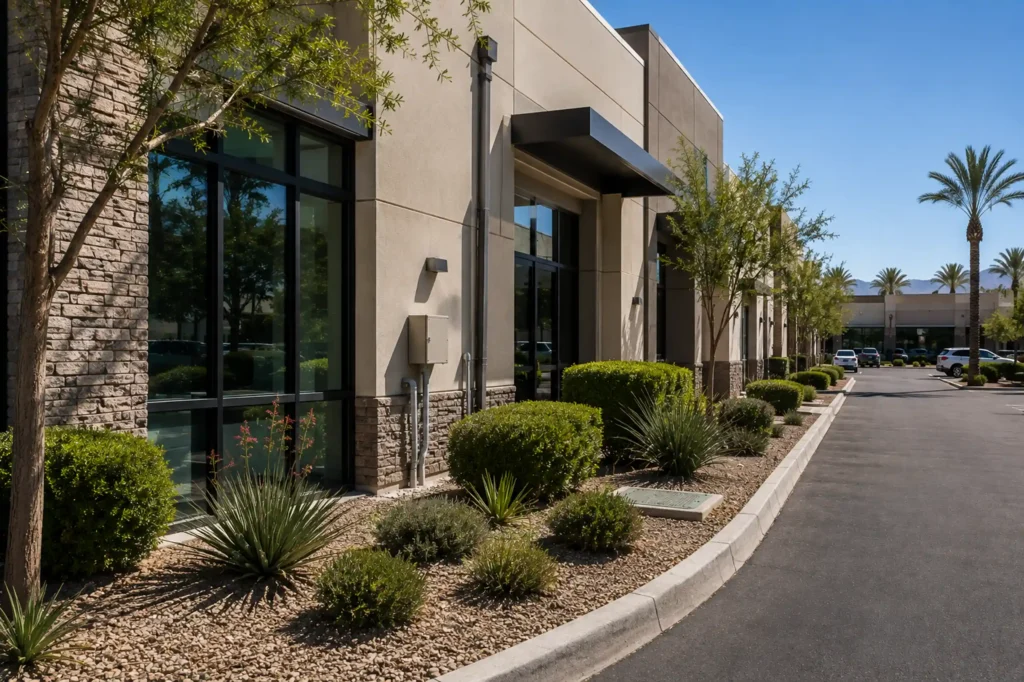
Las Vegas may be known for its desert environment, but rodents are well adapted to living around residential and commercial properties.
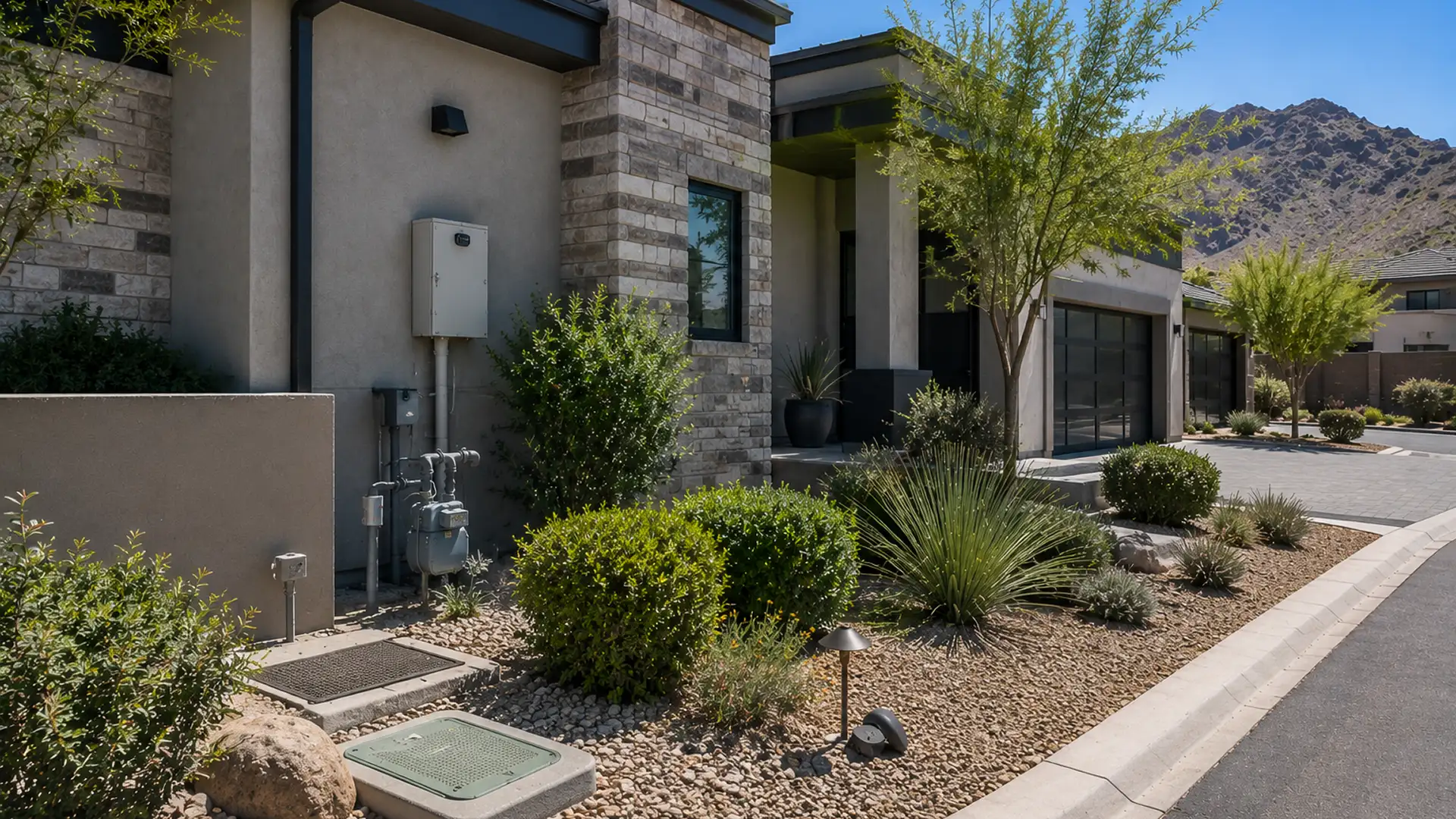
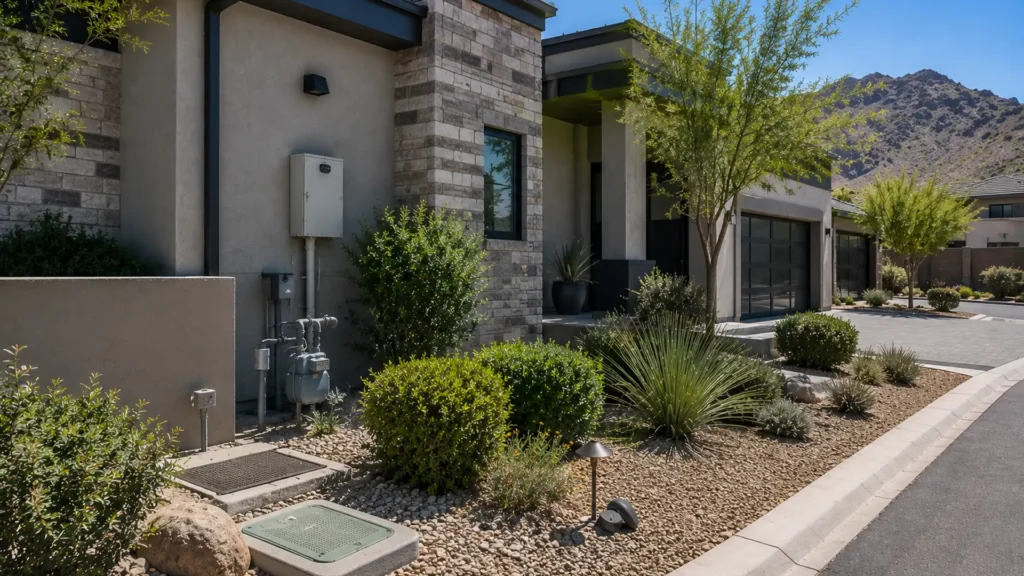
Landscaping, irrigation systems, dumpsters, food storage areas, loading zones, outdoor kitchens, garages, utility penetrations, neighboring properties, and nearby construction can all influence rodent movement.
Rodents may establish activity around:
- Garages and storage areas
- Kitchens and food preparation areas
- Attics and ceiling spaces
- Wall voids
- Landscaping and irrigation areas
- Dumpsters and waste collection areas
- Loading docks and receiving areas
- Exterior utility lines and penetrations
- Sheds and detached structures
- Rooflines and mechanical areas
Seeing one rodent does not always tell us where the problem began. That is why inspection and monitoring are important parts of an effective management plan.
Why Inspection Matters for Rodent Management Services
Rodent management is rarely solved by placing a few traps or monitoring devices and walking away.
Our service specialists evaluate the property for rodent activity, travel patterns, possible entry points, food and water sources, harborage areas, and environmental conditions that may be contributing to the problem.
Depending on the property and what we find, the management plan may include:
- Inspection for signs of rodent activity
- Identification of likely travel routes and harborage areas
- Rodent monitoring methods
- Targeted trapping when appropriate
- Exterior management strategies
- Monitoring between service visits when included in the plan
- Evaluation of food, water, and shelter sources
- Identification of possible structural entry points
- Sanitation and property-maintenance recommendations
- Follow-up evaluation and adjustments as conditions change
Every property is different, so recommendations are based on inspection findings rather than a preset treatment routine.
Rodent Monitoring Devices
Monitoring can be an important part of an ongoing rodent management program.
Rather than placing devices without considering how the property is being used, we look at where rodents are most likely to travel and determine appropriate monitoring locations based on activity, environmental conditions, and property layout.
When monitoring is part of recurring service, activity can be reviewed over time to determine whether rodent pressure is increasing, decreasing, or moving to another part of the property.
That information helps the management strategy change with the conditions instead of relying on the same approach indefinitely.
Why Entry Points Matter
Mice and rats can take advantage of surprisingly small gaps around a structure. The EPA recommends sealing holes inside and outside buildings to help prevent rodent infestations.
| Common Entry Point | What to Look For |
| Doors and garage doors | Gaps along the bottom or sides |
| Utility penetrations | Openings around cables, pipes, or service lines |
| Plumbing and electrical lines | Unsealed spaces where lines enter the structure |
| Rooflines | Gaps, damaged materials, or openings near edges |
| Vents and screening | Torn, damaged, or missing screening |
| Exterior equipment | Openings around mounted systems or attached components |
| Structural areas | Deterioration, cracks, or other accessible openings |
When we identify potential entry points, we can document the conditions and recommend corrective steps.
A Grade Nevada provides pest management services and recommendations. Structural repairs or construction work are not included unless specifically stated in the scope of service.
Sanitation and Environmental Conditions
Rodent activity is often connected to more than one condition.
Food residue, overflowing dumpsters, pet food, bird seed, standing water, dense vegetation, stored materials, fallen fruit, unsecured trash, and clutter can give rodents access to the resources they need to remain around a property.
Addressing these conditions is an important part of Integrated Pest Management. Our goal is not simply to respond to the rodents we can see. We look at the environment surrounding the activity and identify practical changes that can make the property less supportive of rodents over time.
Rodent Management for Commercial Properties
Commercial rodent problems can require consistent monitoring, documentation, and communication.
Our rodent management services may support a variety of Southern Nevada properties, including:
- Restaurants and food-service environments
- Warehouses and distribution facilities
- Retail properties
- Offices
- Fitness centers and gyms
- Medical and professional facilities
- Veterinary and animal-care facilities
- Multi-unit and HOA-managed properties
Commercial programs are shaped around how the facility operates, with attention directed toward the areas where rodent pressure, sanitation concerns, and property risk are greatest.
For veterinary clinics, pet facilities, and other animal-centered environments, our animal-focused pest management approach also considers how pest activity and management decisions may affect animals using the property.
Rodent Management for Homes
Rodents around a home can travel through garages, wall voids, attics, landscaping, patios, sheds, and utility areas before you ever see them.
Our residential work starts by identifying where activity is occurring and what may be contributing to it. From there, we develop recommendations suited to the property rather than treating every home the same way.
We also explain which conditions may be attracting rodents and what practical steps can help reduce food, water, shelter, and access around the property.
Signs You May Have Rodent Activity
Some rodent problems are obvious. Others begin with smaller signs.
You may notice:
- Rodent droppings
- Gnaw marks
- Scratching or movement inside walls or ceilings
- Activity around garages or storage spaces
- Disturbed food packaging
- Nesting material
- Grease or rub marks along travel routes
- Burrows around landscaping or structures
- Rodents seen during the day or at night
- Activity around dumpsters, sheds, or exterior storage areas
These are also among the signs commonly used when inspecting for rodent infestations. If you are noticing these signs, an inspection can help determine what may be happening and where rodent colony management efforts should be focused. You can also explore our Inspector’s Hub for more information about rodent activity, warning signs, and what may be contributing to the problem.
Ongoing Rodent Management
Rodent populations and environmental pressures can change over time.
Nearby construction, seasonal weather, landscape changes, neighboring properties, sanitation conditions, and available food or water may all affect activity around a property.
For locations with continued pressure, recurring evaluation allows the management plan to respond as conditions change. This can include reviewing monitoring information, checking areas where activity has been observed, and adjusting recommendations when needed.
For properties dealing with concentrated or recurring populations, rodent colony management is less about reacting to a single sighting and more about understanding how rodent pressure changes across the property over time.
That ongoing evaluation is an important difference between a short-term response and an IPM-based program.
A Smarter Approach to Rodent Management
At A Grade Nevada, effective pest management starts with understanding the property.
We do not approach every rodent problem the same way. Our service specialists inspect, monitor, document, and make targeted recommendations based on the conditions we find.
This inspection-first process is central to how we provide rodent management. The goal is to address current activity while helping reduce the environmental and structural conditions that allow rodents to remain around the property.
Rodent Activity on Your Property in Las Vegas, NV?
If you are seeing rodents, finding droppings, hearing movement inside walls or ceilings, or noticing other signs of activity, we can evaluate the property and determine what may be contributing to the problem.
The next step is understanding what is actually happening onsite and building a rodent management plan around those conditions.
A Grade Nevada Integrated Pest Management
We Make the Grade.
Frequently Asked Questions
-
Yes. It can influence rodent movement. Construction, demolition, landscaping changes, or other disturbances can alter existing shelter and travel routes, which may push rodents toward nearby properties. An inspection can help determine whether the timing of the activity appears connected to changes in the surrounding environment.
-
No. The right strategy depends on the rodent activity, property layout, access points, surrounding conditions, and how the space is used. That is why we inspect before deciding which monitoring, trapping, sanitation, or prevention measures may be appropriate. You can also review our rodent guide for more information about signs and activity.
-
Yes. Shared infrastructure, loading areas, landscaping, waste zones, utility corridors, and nearby food or water sources can influence rodent movement between properties. Managing your own site matters, but surrounding conditions may also need to be considered if activity continues.
-
You do not need to diagnose the problem yourself, but it can be useful to note:
- Where you have seen or heard activity
- Whether droppings or gnawing are present
- What time activity is most noticeable
- Whether construction or landscaping has recently changed
- Which areas are difficult to access
- Whether the problem appears to be increasing
If you are already noticing signs of rodent activity, call us, and we can help you determine the next step.
-
Yes. Rodent pressure can shift as food, water, shelter, weather, construction, or surrounding properties change. When continued monitoring is part of the service plan, those changes can be used to adjust recommendations rather than assuming the original conditions will remain the same.