




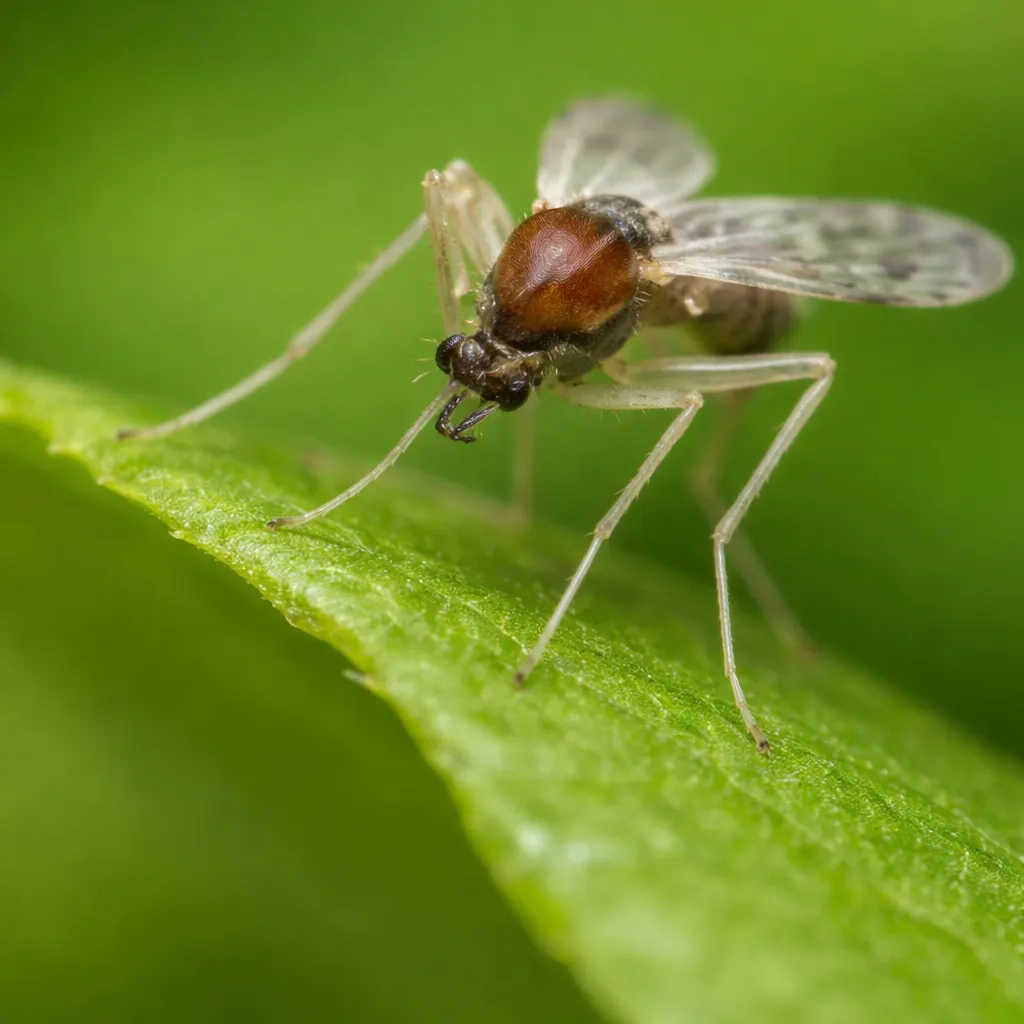
No-See-Ums in Las Vegas: Understanding the Life Cycle of Biting Midges
No-see-ums are among the smallest biting insects found in Southern Nevada, yet their impact on outdoor comfort can be significant. Often referred to as biting midges, these nearly invisible insects are capable of producing irritating bites in landscaped properties, outdoor hospitality areas, dog facilities, patios, and irrigated environments across the Las Vegas Valley.
Because of their extremely small size, many people experience the bites before ever seeing the insect responsible. These pests are especially active in areas where moisture and organic material accumulate, creating ideal conditions for reproduction.Understanding the life cycle, breeding habits, and environmental conditions that support no-see-ums is an important step toward managing their populations effectively. In this Inspector’s Hub guide, we’ll explore how these insects develop and why Integrated Pest Management (IPM) strategies are the most effective long-term solution for properties throughout Las Vegas.
What Are No-See-Ums?
No-see-ums are tiny biting insects belonging to the genus Culicoides, a group commonly known as biting midges. Most species measure only 1–3 millimeters in length, making them difficult to see without close inspection.
Despite their size, these insects are persistent feeders. Female midges require a blood meal in order to produce eggs, which is why their bites are often noticed around outdoor seating areas, landscaped irrigation zones, dog yards, and recreational environments.
Their small size allows them to pass through standard window screens and remain largely unnoticed while they feed.
Understanding the No-See-Um Life Cycle
Like many insects, no-see-ums develop through a four-stage life cycle: egg, larva, pupa, and adult.
Egg Stage
Female biting midges lay eggs in moist soil or organic material rather than open water. Ideal egg-laying environments often include:
• damp landscaped soil
• wet mulch beds
• irrigation runoff areas
• algae or organic debris
• muddy edges of decorative water featuresDepending on temperature and moisture levels, eggs can hatch within 2–10 days.
Larval Stage
After hatching, larvae develop within moist soil, mud, algae, or decomposing organic material. During this stage they feed on microorganisms and organic matter.
This developmental stage typically lasts two to three weeks, depending on environmental conditions.Because larvae develop below the surface of soil or debris, breeding sites can remain hidden within landscaped environments.
Pupal Stage
Following the larval stage, no-see-ums enter a short pupal phase where the insect transforms into its adult form.
This stage usually lasts two to three days before the adult midge emerges.
In warm climates like Las Vegas, the entire development cycle can occur quickly.
Adult Stage
Adult no-see-ums emerge as tiny flying insects capable of biting humans and animals.
Only female midges bite, using the blood meal as a protein source required for egg development. Their bites can cause:
• intense itching
• burning or irritation
• small red welts on exposed skinUnder warm desert conditions, the complete life cycle—from egg to biting adult—can occur in as little as three weeks, allowing populations to grow rapidly when environmental conditions are favorable.
Where No-See-Ums Thrive in Las Vegas Landscapes
Although Southern Nevada is known for its dry climate, many irrigated landscapes and managed properties create micro-environments that support these insects.
Common areas where no-see-ums may develop include:
• landscaped irrigation zones
• drip irrigation runoff areas
• decorative water features
• shaded patios and outdoor seating areas
• dog yards and recreational spaces
• wet soil beneath dense plantingsProperties with frequent irrigation, organic debris buildup, or shaded moisture pockets may unintentionally provide suitable breeding conditions.
When No-See-Ums Are Most Active
No-see-ums are typically most active during periods of low wind and cooler temperatures, particularly:
• early morning
• late afternoon
• duskOutdoor environments that combine shade, moisture, and organic material can attract these insects, especially in areas where people gather for outdoor recreation or hospitality.
Why No-See-Ums Are Difficult to Control
These insects present unique challenges for pest management because of their:
• extremely small size
• hidden breeding habitats
• rapid reproductive cycles
• ability to travel short distances in large numbers
Many over-the-counter treatments focus only on temporary adult control and do not address the environmental conditions that allow these insects to reproduce. Gaining a deeper understanding of the life cycle of biting midges is essential for identifying and treating the hidden damp soils where their populations actually begin. Without addressing these underlying habitat conditions, the pests will quickly return.
Integrated Pest Management for No-See-Ums
Effective management of biting midges requires a strategy focused on environmental conditions rather than simple spray treatments.
Integrated Pest Management (IPM) approaches typically include:
• identifying moisture-retaining landscape areas
• evaluating irrigation practices
• reducing organic debris and algae buildup
• improving drainage in problem areas
• monitoring insect activity patterns
By addressing the conditions that support breeding, IPM programs help reduce insect pressure over time.
Why These Insects Appear in Desert Landscapes
Urban development throughout the Las Vegas Valley has introduced irrigated landscaping, decorative water features, and dense plantings that create small pockets of moisture not normally found in desert ecosystems.
These artificial environments can support insects that depend on moisture for reproduction.As a result, properties with heavy irrigation or shaded landscape areas may experience periodic activity from insects such as no-see-ums.
The Bottom Line
No-see-ums may be difficult to see, but their impact on outdoor comfort can be noticeable in patios, landscaped communities, commercial environments, and recreational properties throughout Southern Nevada.
Understanding their life cycle and breeding conditions helps property owners and managers identify the environmental factors that contribute to these insects. Through Integrated Pest Management strategies, properties can reduce the conditions that allow no-see-ums to thrive while maintaining safe and balanced outdoor environments.