




Scorpion Life and Reproduction: Understanding the Desert’s Silent Survivor
Scorpions are as fascinating as they are feared. These nocturnal arachnids have adapted to survive the harshest climates, including the arid heat of the Las Vegas, NV region. But while many people worry about scorpion stings, few understand just how prolific these creatures are when it comes to reproduction—and why that matters for homeowners and businesses alike.
At A Grade Nevada, our pest professionals take a science-driven approach to pest control, and that means helping you understand the biology of pests like the scorpion. If you’ve ever seen a scorpion in your garage, basement, or backyard, it’s not just a one-time encounter. You could be dealing with multiple generations hiding in plain sight.
🧬 The Basics: What Is a Scorpion?
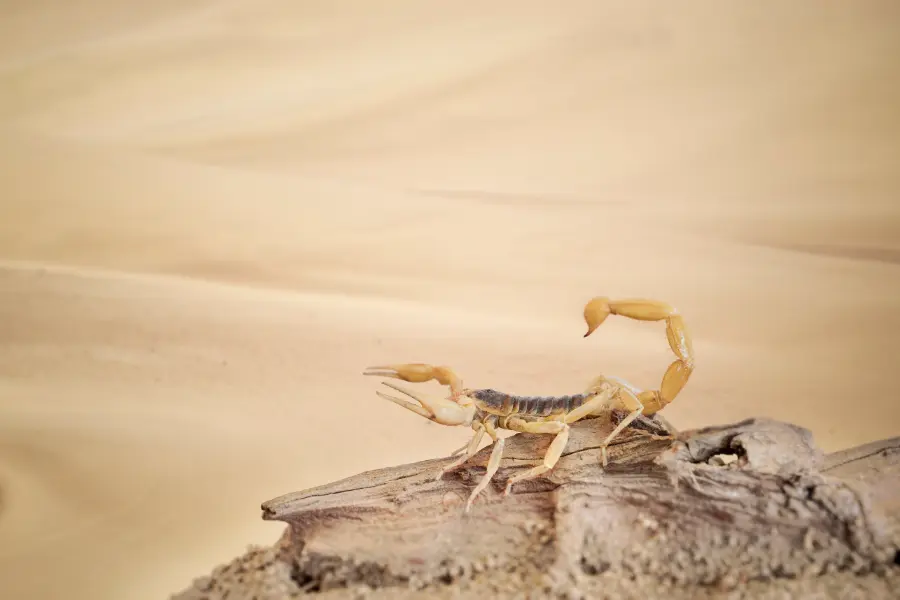
Scorpions are arachnids, cousins to spiders and ticks. With eight legs, two large pincers, and a segmented tail topped with a venomous stinger, they’re built for survival and hunting. Over 2,000 species exist globally, and in Nevada, the Arizona Bark Scorpion is the most commonly encountered—and also the most dangerous due to its neurotoxic venom.
🐾 Scorpion Reproduction: Live Birth, Not Eggs
Unlike most other pests, scorpions don’t lay eggs. Instead, they give live birth—a rare trait in the insect and arachnid world. A female scorpion will gestate for several months, and when ready, give birth to 20 to 100 scorplings (baby scorpions) depending on the species.
These newborns are:
- Born alive in a transparent, underdeveloped state
- Immediately climb onto the mother’s back
- Stay on her back for up to 10 days until their first molt
- Begin fending for themselves shortly after molting
It’s a shocking and slightly terrifying thought: one scorpion in your garage today could be the mother of 100 more next week.
🔁 Broods and Breeding Cycles
Scorpions have a yearly breeding cycle, with females often giving birth to multiple broods over their lifetime. On average:
- One female scorpion can produce 5–8 broods
- Each brood can include 20–100 offspring
- Scorpions live 3 to 8 years, but some can survive for over a decade
What this means for homeowners is simple: a single overlooked scorpion can lead to a long-term infestation, particularly if the environment is favorable (i.e., dark, moist areas with access to food like insects or spiders).
🏡 Common Scorpion Nesting Sites in Las Vegas Homes
Scorpions seek shelter and stable humidity. In Southern Nevada, they’re often found:
- In cracks of stucco or block fencing
- Beneath landscape rocks
- Inside garages and storage units
- In attics and crawlspaces
- Under kitchen and bathroom cabinets
- Around HVAC units or water heaters
- In palm trees
They’re nocturnal and hunt at night, meaning you may not see them during the day—but they’re there, multiplying.
👉 If you’ve seen a scorpion, don’t assume it’s alone. It could represent an entire hidden colony.
📊 The Risk of Generational Infestation
Let’s do the math:
- One female = up to 100 scorplings
- She breeds yearly for several years
- Scorplings mature in 1–3 years
- Each female scorpling then starts breeding…
This exponential growth creates layered infestations. A home without professional pest control could have scorpions at every life stage—from juveniles to mature adults—spanning several generations.
👶 Scorplings: Small But Not Harmless
Young scorpions may be tiny, but they are:
- Venomous
- Active hunters
- Equipped with all the traits of an adult scorpion
While they are more vulnerable to dehydration or environmental stress, those in safe indoor environments (like insulated garages or shaded patios) have a high survival rate.
🌵 Why Scorpions Love Las Vegas
Southern Nevada’s climate—hot, dry days and warm nights—mirrors the scorpion’s natural desert habitat. Combine that with sprawling residential development, and you have the perfect storm:
- New construction disrupts native scorpion habitat
- They retreat into human homes
- Prevalence of palm trees, rock gardens, and retaining walls provides cover
At A Grade Nevada, we’ve seen an increase in calls related to scorpions over the past several years, especially in areas like Henderson, North Las Vegas, and Summerlin.
🛑 Why DIY Isn’t Enough
Spraying a can of over-the-counter insecticide might kill one scorpion on contact—but it won’t:
- Break the reproduction cycle
- Treat eggs or juvenile scorplings
- Remove sheltering zones
- Address attractants like other insects
Worse, some over-the-counter sprays repel scorpions, causing them to scatter and nest deeper into your home.
✅ The A Grade Nevada Solution: IPM for Scorpions
Our approach to Scorpion Control uses Integrated Pest Management (IPM) to break the breeding cycle at its root:
Step 1: Thorough Inspection
- Identify entry points, nesting areas, and food sources
- Use blacklight to detect adult scorpion presence
Step 2: Targeted Treatment
- Apply low-toxicity, residual insecticides in high-risk areas
- Seal cracks and voids
- Eliminate food sources (other insects)
Step 3: Ongoing Monitoring
- Set up traps and deterrents
- Advise on landscape and property modifications
- Schedule regular follow-up inspections
Our methods are pet-safe, family-friendly, and tailored for the Las Vegas, NV environment.
📞 Take Back Your Home from Scorpions
Don’t wait until you see scorpions crawling inside your home to take action. If you’ve seen even one, chances are there’s a breeding colony nearby.
👉 Contact A Grade Nevada’s Scorpion Control Experts or call us at 702-508-4953 to schedule a no-obligation inspection today.
Why Choose A Grade Nevada?
- Locally owned and operated in Las Vegas, NV
- Certified IPM professionals
- Customized treatment plans
- Safe for children and pets
- 5-star rated service
Your home is your safe space—don’t let scorpions take over.