


What Locals Should Know About Mosquitos in Las Vegas, NV

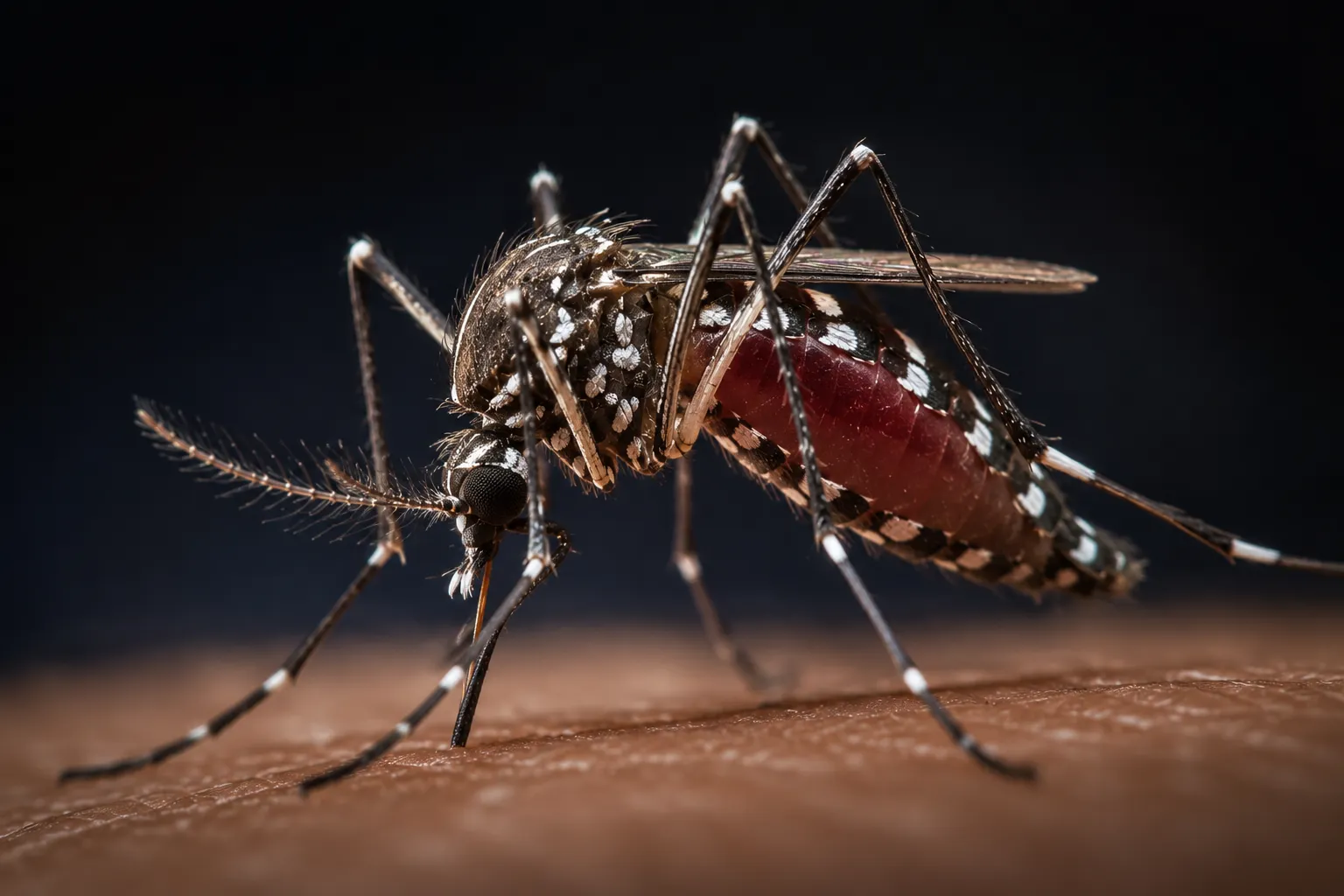
It can be surprising to step outside and feel mosquitoes biting around your patio, pool, or shaded backyard, especially when you live in the desert. But even small pockets of water can support mosquitos in Las Vegas, NV.
The area does not have to feel swampy for mosquitoes to become a problem. They do not need a pond or lake to breed. In many cases, they use small water sources that are easy to miss.
That is why mosquito problems in the valley are often less about the desert itself and more about how properties are watered, shaded, drained, and maintained.
When is Mosquito Season in Las Vegas, NV?
Mosquito activity can vary from year to year, but the Southern Nevada Health District notes that the main mosquito breeding months are typically April through October. Disease testing usually begins around June.
Warm weather, rainfall, and irrigation can all affect mosquito pressure. Some years start earlier than expected when conditions become favorable. The Health District has even started surveillance earlier in response to warm temperatures and rainfall.
For property owners, that means mosquito prevention should not wait until bites are already constant. Early checks around the property can make a big difference.
Aedes Aegypti: The Mosquito People Often Notice
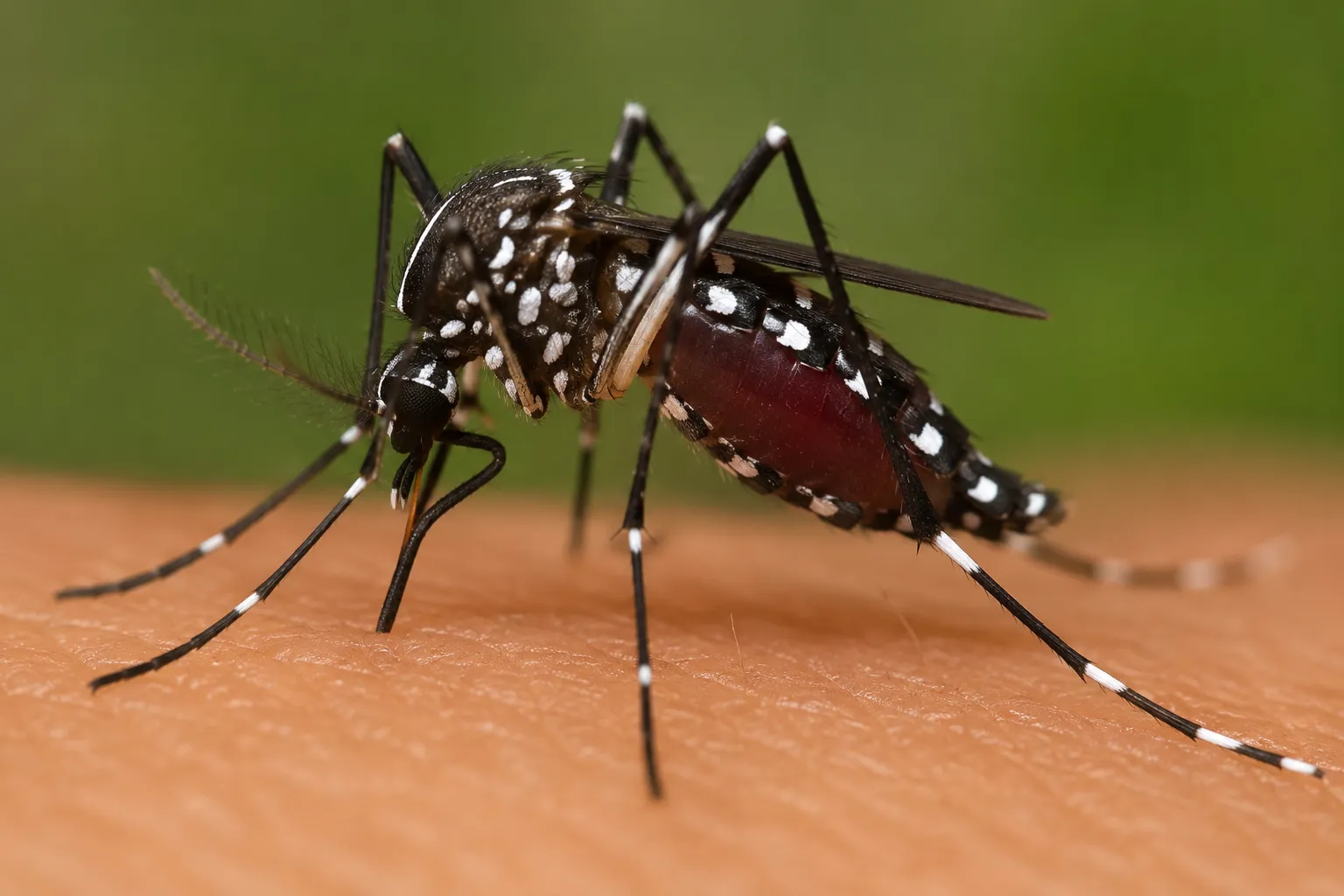
One mosquito that gets attention locally is Aedes aegypti. This species is known for being an aggressive daytime biter. Unlike some mosquitoes that are most active at dusk, Aedes aegypti may bite during the day and often targets ankles and lower legs.
This is one reason people may notice mosquitoes around patios, doorways, shaded yards, and outdoor seating areas even when it does not feel like “mosquito weather.”
Local mosquito populations are monitored throughout Clark County by the Southern Nevada Health District mosquito surveillance program, which tracks mosquito activity across jurisdictions, including Las Vegas, Henderson, North Las Vegas, unincorporated Clark County, Mesquite, and Boulder City.
Desert Mosquito Species in Nevada and Local Health Concerns
There are different desert mosquito species in Nevada, and not every mosquito carries disease. Still, mosquito activity matters because mosquitoes can be linked to concerns like West Nile Virus, St. Louis Encephalitis, and other monitored risks in Southern Nevada.
Clark County also notes that surveillance helps monitor mosquito populations for diseases including West Nile Virus, Western Equine Encephalitis, Zika virus, and St. Louis Encephalitis.
For pets, mosquitoes are also important because heartworm disease in dogs is spread through infected mosquito bites. This does not mean every bite causes illness, but it does mean reducing mosquito breeding areas is part of responsible property care.
Where Do Mosquitoes Hide in the Desert?
Mosquitoes look for moisture, shade, and protection from heat. In a desert landscape, these areas are often man-made.
Common hiding and breeding spots include:
- Drip Irrigation Areas: Water can pool beneath plants, rocks, or mulch.
- Planters and Saucers: Small pockets of water can stay hidden.
- Drains and Low Spots: Water may sit longer than expected.
- Dense Vegetation: Shaded plants give mosquitoes a place to rest.
- Water Features: Still or slow-moving water can support mosquito activity.
- Pet Bowls and Buckets: Small containers can become breeding sites fast.
Mosquitoes need standing water for their early life stages. The CDC recommends dumping or removing standing water and treating water that cannot be drained with larvicides when needed.
Can Mosquitoes Breed in Drip Irrigation Lines?
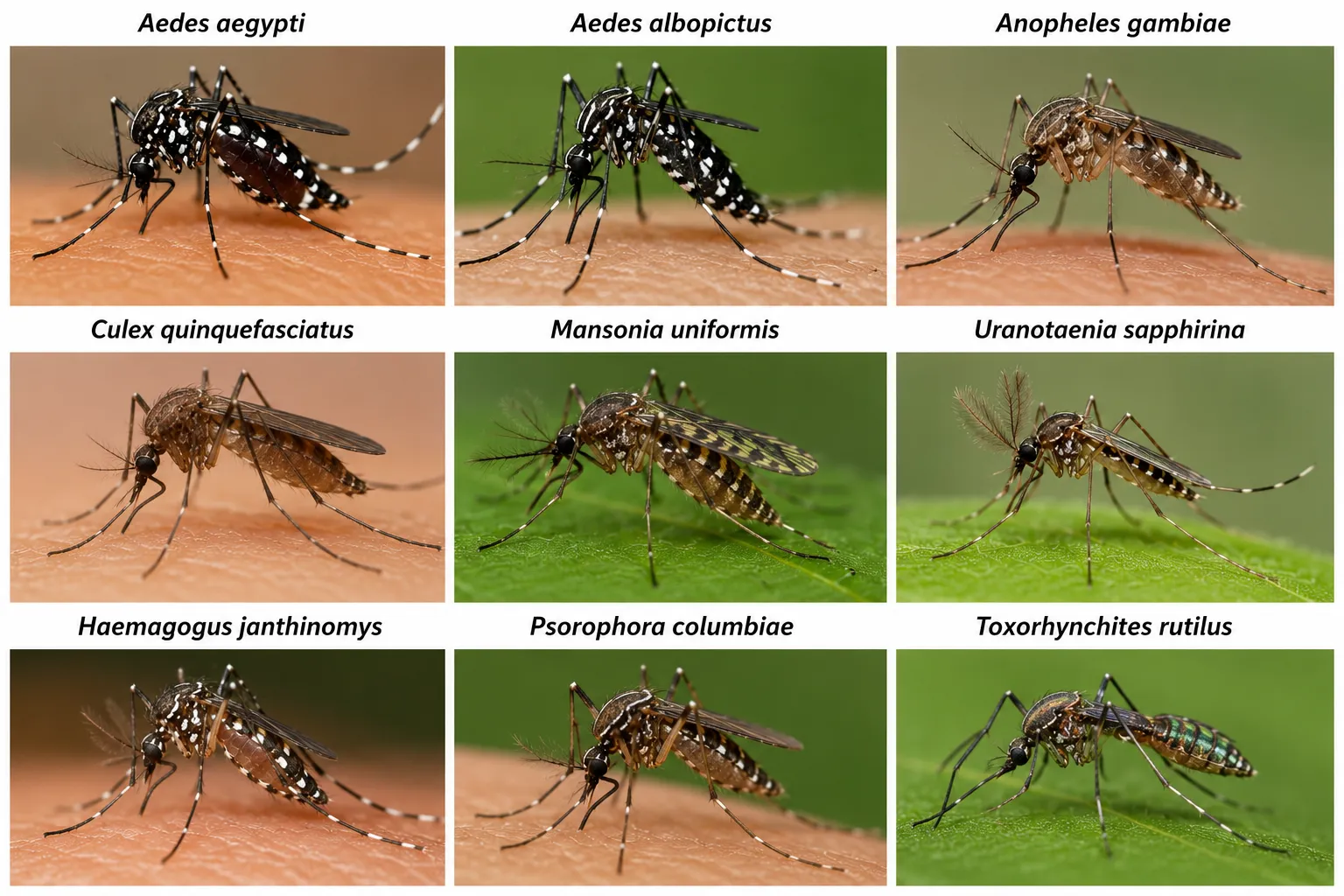
Mosquitoes usually do not breed inside dry irrigation tubing, but they can breed where drip irrigation creates standing water. This can happen when lines leak, timers run too long, emitters oversaturate soil, or water collects under pots, turf edges, or decorative rock.
Look for these signs:
- Soil stays wet long after irrigation runs.
- Water pools near valve boxes or drains.
- Planters have damp saucers.
- Shaded areas smell musty or stay muddy.
- Mosquitoes appear in the same outdoor zone each day.
Small water sources matter. Some public health guidance notes that mosquitoes can lay eggs in very small amounts of water, including water as small as a bottle cap.
How to Get Rid of Mosquitoes in Desert Landscaping
Desert landscaping can still create mosquito pressure when water and shade collect in the wrong places. The goal is not to remove every plant or stop irrigation. The goal is to manage moisture better.
Simple steps include:
- Empty containers, buckets, toys, and saucers after watering or rain.
- Adjust irrigation so water does not pool.
- Clear debris from drains and low spots.
- Trim dense vegetation near patios and doors.
- Keep water features moving and maintained.
- Report green pools when they are nearby or unmanaged.
These steps help because they target the places mosquitoes need before they become flying adults.
Integrated Pest Management for Mosquitoes
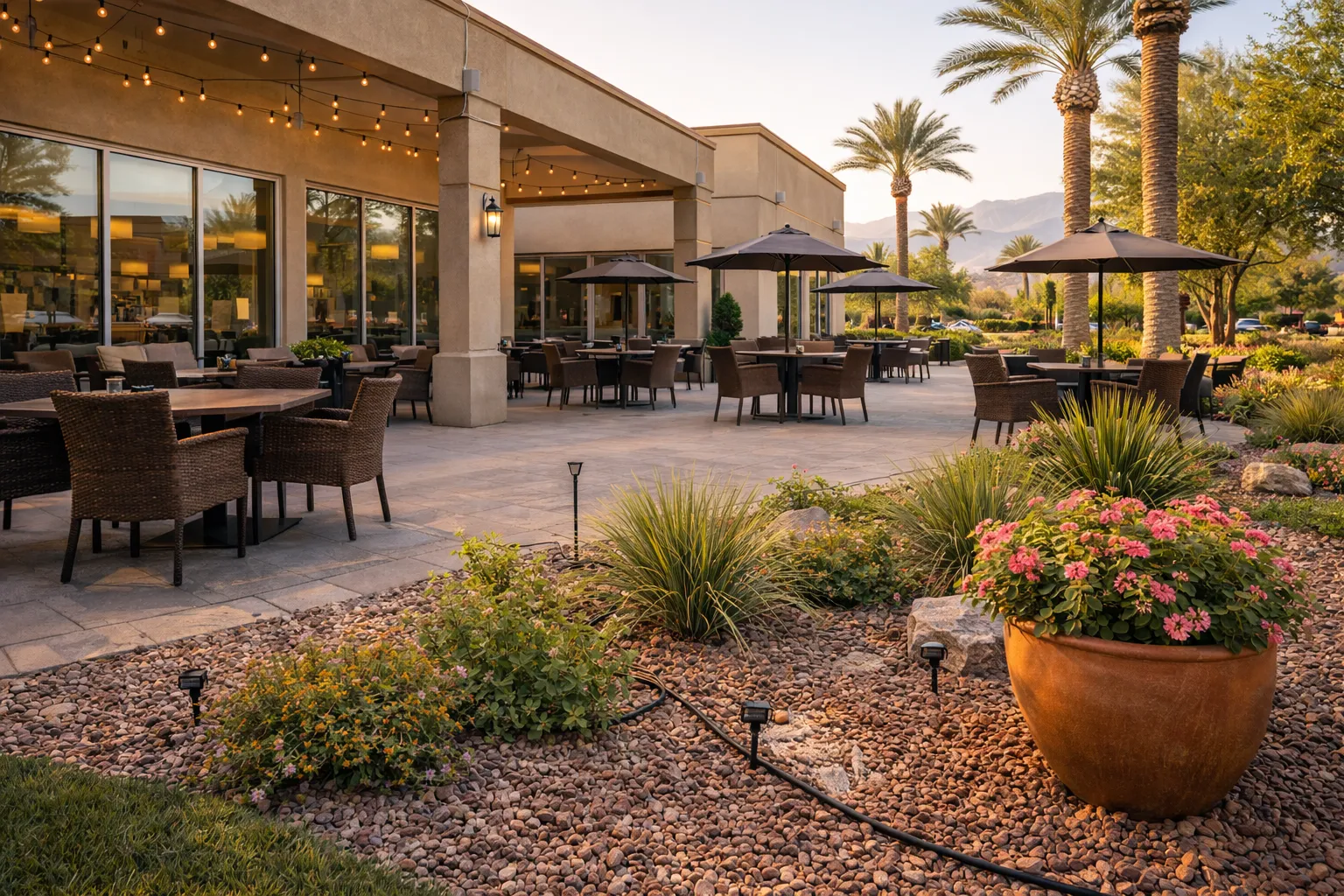
Integrated pest management for mosquitoes focuses on the full environment, not just visible activity. Instead of only spraying adult mosquitoes, IPM looks at why mosquitoes are present and what conditions are helping them return.
An IPM-style approach may include:
- Finding breeding sources.
- Reducing standing water.
- Treating larvae where needed.
- Targeting adult mosquitoes only where activity supports it.
- Making property changes that reduce future pressure.
This matters in the area because many mosquito problems are tied to irrigation, landscaping, and property design. A treatment may reduce bites for a short time, but if water sources remain, the cycle can start again.
Why Mosquito Control Matters for Pets
Many property owners search for pet-safe mosquito control in the city because yards are often shared by dogs, cats, and other animals. The best approach starts with inspection and careful placement.
Pet-conscious mosquito control should consider:
- Where pets rest or play.
- Water bowls and animal areas.
- Shaded kennel or yard spaces.
- Product selection and application areas.
- Clear instructions before and after service.
Reducing breeding sites also helps pets by lowering mosquito pressure around the areas they use most.
Get Local Help for Mosquitos in Las Vegas, NV
Mosquitoes in the desert are not random. They are usually connected to small water sources, shade, irrigation, and property conditions that let them breed and return.
A Grade Nevada helps property owners understand mosquito activity through inspection-driven and prevention-focused service. For mosquitos in Las Vegas, NV, our team looks at where the pro
Frequently Asked Questions
-
Yes. Henderson is part of the Southern Nevada region, where mosquito activity is monitored. Irrigation, pools, planters, and shaded yards can support mosquito activity even in dry areas.
-
The main breeding months are typically April through October, though weather can shift activity earlier or later.
-
Aedes aegypti mosquitoes may bite during the day and are known for aggressive biting behavior. This can make the activity more noticeable around patios, doors, and shaded outdoor spaces.
-
Yes. They can breed wherever water collects, including:
- Drip irrigation runoff
- Planters
- Drains
- Shaded moisture pockets
If these areas keep producing activity, targeted mosquito control can help find the source and reduce pressure before the cycle continues.
-
Yes. West Nile Virus is one of the mosquito-related concerns monitored locally through mosquito surveillance efforts.
-
If you are still seeing mosquitoes after removing standing water, call A Grade Nevada so we can help look for hidden sources around the property.